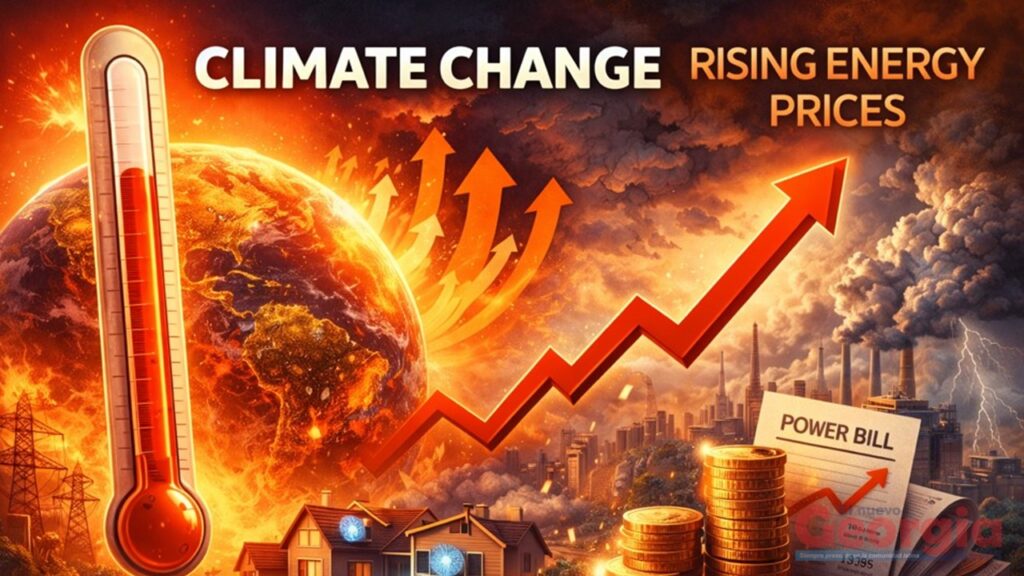
How Utility Usage Affects Your Monthly Budget: Tips for Homeowners
- ULTIMO MINUTO
 codepapa
- 0
- 5 minutes read
How Utility Usage Affects Your Monthly Budget: Tips for Homeowners
Managing a household budget can feel overwhelming, especially when utility bills come into play. Electricity, water, gas—these are essentials, yet they can quickly escalate into significant monthly expenses. Understanding how your utility usage affects your budget isn’t just about cutting back; it’s about making informed decisions. So, let’s explore practical ways to manage these costs effectively.
Understanding Your Utility Bills
First, let’s break down the components of your utility bills. Understanding what you’re paying for is the first step in gaining control over your expenses. Most utility bills consist of different charges: a base fee, usage charges, and sometimes additional taxes or fees. Knowing how these elements contribute to your total can help you identify areas for savings.
For example, if your electric bill includes a high base fee, consider switching to a provider with lower fixed costs. Some utilities also offer time-of-use rates that charge different amounts depending on peak hours. If you can shift energy-intensive activities to off-peak hours, you might save significantly.
Track Your Usage
Getting a handle on your consumption is essential. Many utility companies offer online tools to monitor your usage patterns. Regularly checking these can reveal trends and highlight areas where you might cut back. For instance, if you notice that your water usage spikes during certain months, it might be time to assess your habits or check for leaks.
Another useful approach is to keep a utility bill template. You can track your monthly bills, compare them over time, and identify spikes in usage. This not only helps in budgeting but also makes it easier to spot anomalies that could indicate a problem. You can find helpful resources for creating a utility bill template https://fastpdftemplates.com/utility-bill-template/.
Energy-Efficient Appliances
Investing in energy-efficient appliances can drastically reduce utility costs. Look for the ENERGY STAR label when purchasing new appliances. These products are designed to use less energy and water, leading to lower monthly bills over time.
Consider replacing older appliances, especially those that consume a lot of power, like refrigerators and water heaters. It may seem costly upfront, but the savings on your utility bills can offset the initial investment. Plus, many utility companies offer rebates for energy-efficient upgrades, which can further ease the financial burden.
Smart Home Technology
Smart home devices have transformed the way homeowners manage energy consumption. Smart thermostats, for instance, learn your habits and adjust heating or cooling accordingly. This can lead to significant savings on your energy bill, sometimes up to 15% or more.
Other smart devices, such as smart plugs and energy monitors, can give you real-time insights into your energy usage. By being proactive about when and how you use energy, you can make informed decisions that align with your budget goals.
Water Conservation Strategies
Water costs can add up quickly, especially if you have a large family or garden. Simple changes can lead to substantial savings. Start by fixing leaks, which are often overlooked. A dripping faucet or running toilet can waste gallons of water each month.
Moreover, consider low-flow fixtures for showers and faucets. These can reduce water flow without sacrificing performance, leading to lower bills without a noticeable difference in experience.
- Install a rain barrel to collect rainwater for gardening.
- Use mulch in your garden to retain moisture.
- Consider xeriscaping, which requires minimal irrigation.
Seasonal Adjustments
Adjusting your utility usage based on the seasons can help maintain a consistent budget. In the winter, for example, lowering your thermostat by a few degrees can lead to significant savings. Layering clothing indoors and using blankets can keep you comfortable without cranking up the heat.
During the summer, closing blinds during the hottest part of the day can reduce your cooling costs. Also, using fans strategically can make a room feel cooler without relying solely on air conditioning.
Review and Negotiate Your Rates
Regularly reviewing your utility rates can be beneficial. Don’t hesitate to contact your provider to discuss your bill or negotiate a better rate. Sometimes, simply asking for a discount or a more favorable plan can lead to savings.
Additionally, consider bundling services if your utility company offers it. Often, you can save money by combining services like electricity, gas, and internet. Just ensure that the bundled rate is competitive compared to other providers in your area.
Being proactive about your utility usage and expenses can have a profound impact on your monthly budget. By understanding your bills, tracking your usage, investing in efficient appliances, and utilizing technology, you can take significant steps toward managing your costs effectively. Use resources like a utility bill template to keep your finances in check and identify saving opportunities.