Unveiling the myths surrounding casino gambling

The Illusion of Guaranteed Wins
One of the most pervasive myths surrounding casino gambling is the belief that one can consistently win through a particular strategy or system. Many gamblers become convinced that they can predict outcomes or tilt the odds in their favor using betting systems. Such systems often stem from a misunderstanding of chance and probability. In fact, the best online casino in australia ensures that players are aware of the inherent risks involved in each game. Casino games, including slots, poker, and roulette, are engineered with a house edge that ensures the casino profits over time, regardless of player strategies. This inherent disadvantage means that over extended play, the likelihood of losing increases significantly.
This myth continues to thrive, bolstered by anecdotal evidence from successful players who share their stories of substantial wins. These narratives create a misleading impression that gambling is a reliable way to generate income. However, while it is indeed possible to experience short-term wins, long-term success is highly unlikely due to the mathematical probabilities at play. The house edge indicates that, statistically, players will lose more than they win in the long run, which challenges the belief in guaranteed wins. Players often overlook the countless others who have experienced losses, focusing instead on the rare success stories.
Furthermore, the emotional aspects of gambling can cloud judgment, leading individuals to chase losses or persist with flawed strategies. Recognizing that the odds are stacked against you is crucial for responsible gambling. Understanding the nature of these games and the inherent risks involved can help players develop realistic expectations, thereby dispelling the myth of guaranteed wins and promoting a healthier attitude towards gambling. By acknowledging that luck plays a significant role alongside skill, players can approach their gambling activities with more mindfulness and less expectation of consistent profit.
Understanding Luck vs. Skill
Another widespread myth is the belief that certain games, especially those classified as “games of skill,” guarantee success for knowledgeable players. While skills can undoubtedly enhance a player’s performance in games like poker or blackjack, they do not eliminate the element of luck. In essence, all forms of gambling incorporate a degree of chance. Even the most skilled players encounter unforeseen outcomes that can drastically alter their results, underscoring that no level of expertise can completely control the unpredictability inherent in these games. This interplay between skill and luck is often misunderstood, leading to inflated confidence among players.
This misconception can lead players to overestimate their chances of winning, particularly in skill-based games. For instance, a seasoned poker player may devise superior strategies; however, they still rely on favorable cards being dealt and their opponents making mistakes. The fine line between luck and skill can become blurred, causing players to misinterpret their winning streaks as evidence of skill rather than sheer chance. This misunderstanding can result in overconfidence and risky betting behaviors, where players might escalate their wagers under the false impression that they have mastered the game.
Moreover, this myth can create unnecessary barriers for newcomers to gambling, who may feel they lack the skills necessary to compete effectively. Realizing that even experienced players must contend with the randomness of luck can help everyone appreciate the complex dynamics of gambling without feeling overwhelmed. Therefore, cultivating a balanced perspective on luck and skill is essential for fostering a healthy relationship with casino gaming. This understanding allows players to enjoy the experience without unrealistic expectations of mastery, promoting a more sustainable approach to their gaming endeavors.
The Myth of the “Hot” Slot Machine
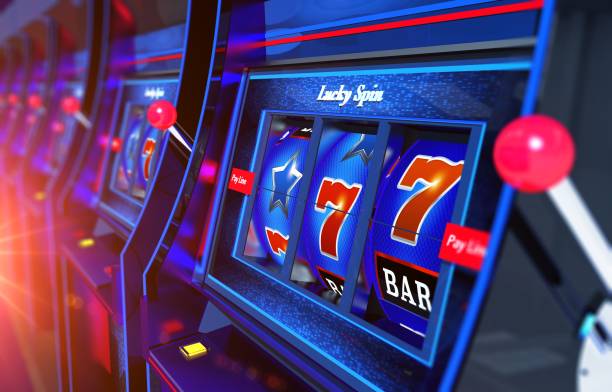
The belief that slot machines experience “hot” and “cold” cycles is a prevalent myth among gamblers. Many players are convinced that a slot machine is more likely to pay out after a winning streak or, conversely, that it is due for a win after a series of losses. This misconception arises from the random nature of slot machine outcomes, which are determined by a random number generator (RNG). Each spin is independent and random, meaning that previous results have no influence on future outcomes. This misunderstanding is often fueled by the psychological tendency to find patterns in random data.
This myth can lead to irrational behaviors, with players believing they can predict when a machine will payout based on earlier spins. Such beliefs can significantly affect a player’s bankroll and distort their overall gambling experience. The psychology behind these misconceptions can compel users to spend more time and money on machines they deem “due for a win,” potentially leading to financial loss without any statistically sound basis for their beliefs. This cycle can create a troublesome pattern of chasing losses, leading to deeper financial trouble as players attempt to recover what they lost.
Understanding how slot machines operate can help debunk this myth, emphasizing the importance of randomization in gaming. Players should recognize that the excitement of gambling comes from the experience itself rather than the anticipation of winning. Keeping this perspective can foster more responsible gambling habits, shifting the common perception surrounding slot machine payouts and helping players maintain a healthier outlook on their gambling activities. Ultimately, recognizing that each spin is an isolated event can lead to a more enjoyable and less stressful gaming experience.
The Role of Casinos in Gambling Myths
Casinos often find themselves at the center of various gambling myths, primarily due to the way they present their offerings. Some individuals believe that casinos manipulate games or outcomes to ensure player losses, perpetuating an atmosphere of fear and distrust. However, legitimate casinos operate under strict regulations and oversight, ensuring fairness in gaming through independent testing of their software and hardware. These regulations are designed to protect both players and the integrity of the gaming experience, reinforcing the notion that gambling can be both entertaining and fair.

Additionally, casinos are acutely aware of the psychology behind gambling and often implement strategies to enhance the overall experience. The layout, lighting, and sounds within a casino are intentionally designed to encourage players to stay longer and engage more deeply with the games. While these tactics may amplify the allure of gambling, they do not alter the fundamental odds associated with the games themselves. Understanding the operational dynamics of casinos can help dispel myths fueled by misunderstandings about how these establishments function. This awareness is key to fostering a more informed and rational approach to gambling.
Ultimately, being informed about the regulated and fair nature of gaming establishments can empower players to differentiate between myths and reality. By acknowledging the operational standards of casinos, individuals can approach their gambling activities with greater confidence and awareness. This understanding can lead to more enjoyable experiences and foster a more responsible attitude toward gambling, allowing players to appreciate the entertainment aspect without falling prey to misconceptions. By promoting transparency, casinos can enhance player trust and encourage a healthier gaming environment.
Exploring Myths on Gambling Websites
In the digital age, online gambling platforms have surged in popularity, leading to a new set of myths. Many players assume that online games are less regulated or inherently unfair compared to traditional casinos, which fosters misconceptions about their safety and reliability. However, many reputable online casinos undergo rigorous testing and must adhere to regulatory standards that ensure fair play and data security, akin to their brick-and-mortar counterparts. This regulatory compliance is vital for instilling player confidence in the integrity of online gaming.
This misconception can deter potential players from exploring online options, fostering fears that they may be exploited or manipulated. In reality, understanding the licensing and regulatory compliance of these platforms can empower players to make informed decisions regarding their online gambling experiences. The rise of consumer protection laws and independent oversight bodies has significantly enhanced the safety and credibility of online gambling, allowing players to engage with confidence. Knowledge about these regulations can transform a player’s perspective on the reliability of online gambling.
Furthermore, many players are misled into believing that bonuses and promotions offered by online casinos are too good to be true, often neglecting the associated terms and conditions. This understanding can profoundly shift a player’s approach, enabling them to make educated choices regarding which platforms to engage with while enjoying the advantages of online gaming. Myths surrounding online gambling can be dispelled through awareness and research, ultimately promoting a safer and more enjoyable gambling experience for all participants. By equipping themselves with the right information, players can navigate the online gambling landscape with greater ease.